The Ultimate Guide to Functional Fitness: Benefits, Exercises & Getting Started
What Is Functional Fitness?
Functional fitness is about training your body to move better, feel stronger and perform more efficiently in everyday life.
Instead of focusing on individual muscles or trying to look good for one day at the beach, functional fitness develops strength, mobility, endurance, balance and coordination that carry over into real-world activities.
Whether you're lifting your kids, carrying groceries, hiking on holidays, playing sport on the weekends or simply wanting more energy throughout the day, functional training helps make everyday life easier.
One of the biggest misconceptions about functional fitness is that it's one specific style of training.
It isn't.
Functional training simply means training with purpose.
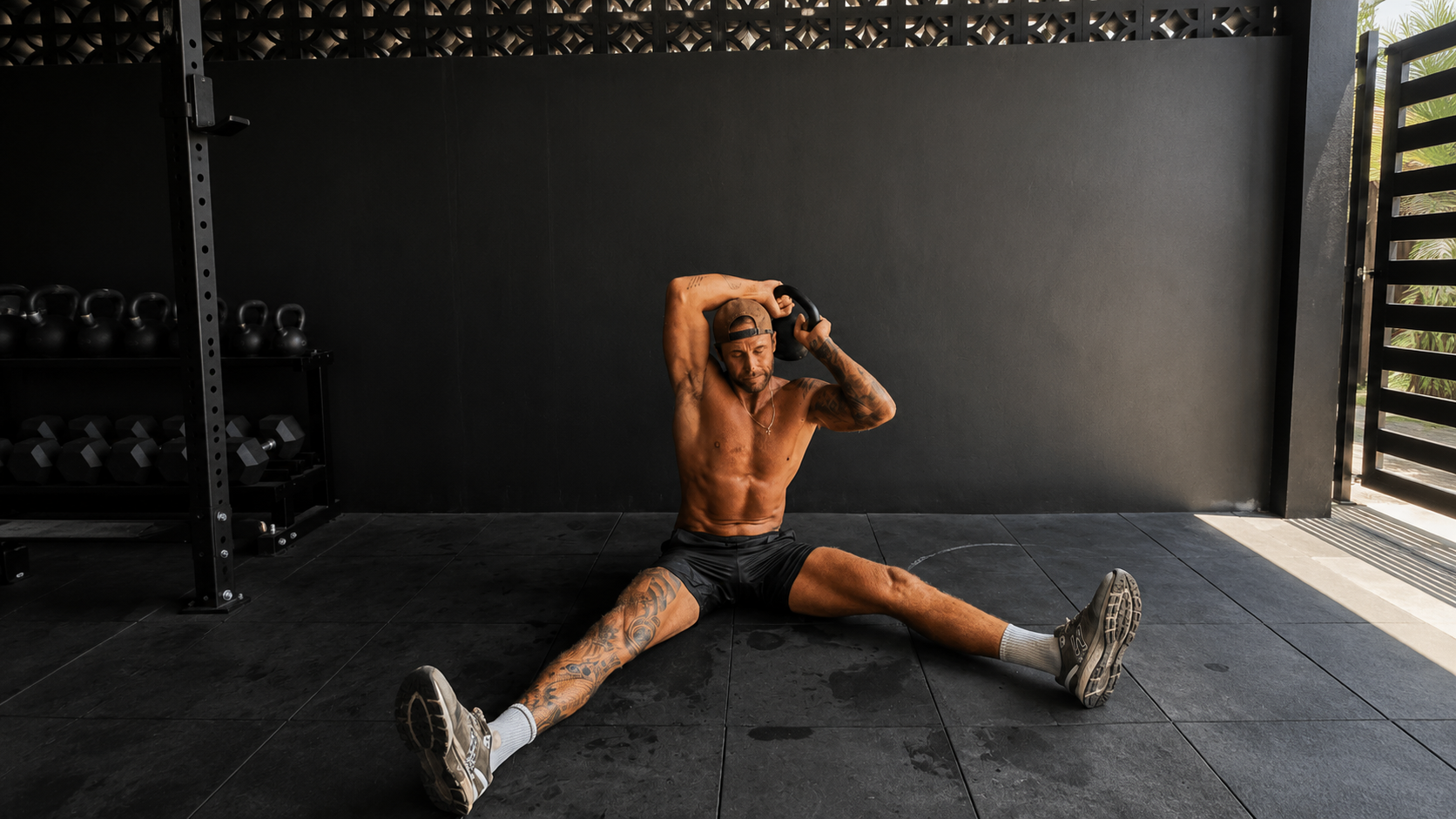
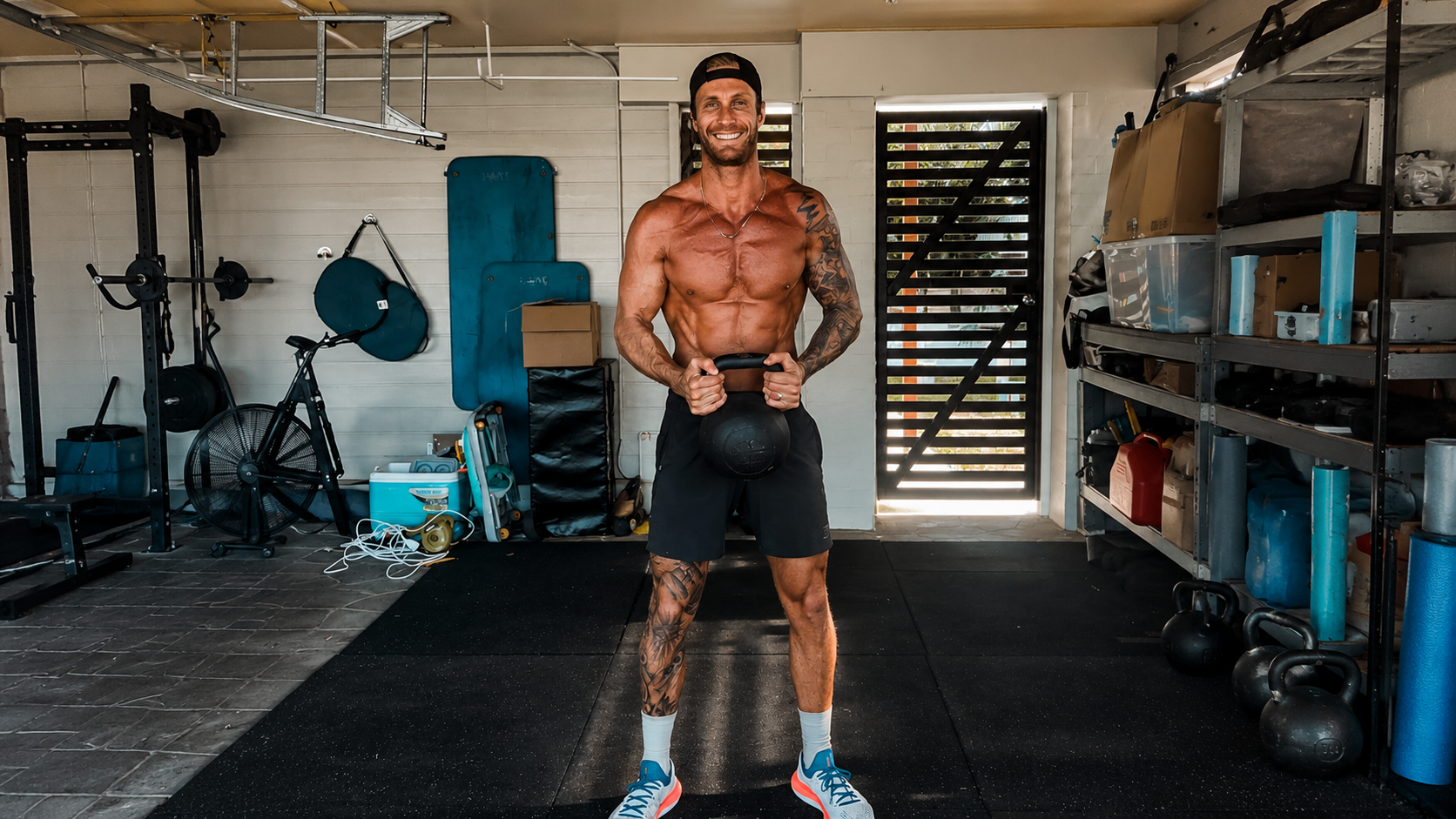
You might use bodyweight exercises, resistance bands, dumbbells, kettlebells, barbells, pull-up bars, cable machines or a full commercial gym. The equipment matters far less than how you use it.
That's exactly how we approach training inside Bodyweight Built.
Instead of forcing everyone into the same workouts, the app creates personalised training programs based on your goals, fitness level and the equipment you have available. Whether you have no equipment at all or a fully equipped gym, you can still follow an effective program that delivers results.
Why Functional Fitness Has Become So Popular
Traditional fitness often assumes you have unlimited time, unlimited motivation and unlimited access to a gym.
Real life doesn't work like that.
Most people are balancing work, family, travel and countless other responsibilities.
Missing a workout shouldn't mean your entire program falls apart.
Functional fitness is designed to be flexible.
Rather than forcing your life to fit your training, your training fits around your life.
That's why it's become one of the fastest-growing approaches to fitness.
People want workouts they can actually stick to.
Not just for four weeks.
For years.
The Benefits of Functional Fitness
Build Real-World Strength
Functional exercises improve movement patterns you use every day.
Squatting, pushing, pulling, carrying, rotating and hinging are movements that make everyday tasks easier and help you stay capable as you get older.
Rather than simply building muscle for appearance, you're building strength that transfers into everyday life.
Improve Mobility and Flexibility
Many people become less mobile because they spend hours sitting at desks, driving or looking at screens.
Functional training encourages your body to move through full ranges of motion, helping improve flexibility while building strength at the same time.
The result is better movement, healthier joints and improved overall performance.
Burn Fat More Efficiently
Functional workouts often involve multiple muscle groups working together.
This allows you to burn calories while building lean muscle, creating an effective combination for long-term fat loss.
When paired with good nutrition and consistency, functional training is an excellent way to improve body composition.
Build Lean Muscle
You don't need fancy gym machines to build muscle.
Progressive overload can be achieved using bodyweight, dumbbells, kettlebells, resistance bands or barbells.
Your muscles don't know whether the resistance comes from a machine or a pair of rings.
They simply respond to challenge.
Improve Athletic Performance
Whether you play football, golf, tennis, surf or simply enjoy being active, functional training develops balance, coordination, stability and power that can improve sporting performance.
Train Anywhere
Perhaps the biggest advantage of functional fitness is flexibility.
You can train:
• At home
• Outdoors
• While travelling
• In a garage gym
• In a commercial gym
• With no equipment
• With minimal equipment
Your workouts don't need to stop because your environment changes.
What Equipment Do You Need?
One of the best things about functional fitness is that you can make incredible progress regardless of what equipment you own.
No Equipment
Bodyweight exercises remain one of the most effective ways to build strength and improve fitness.
Push-ups, squats, lunges, planks and glute bridges can form the foundation of an excellent workout program.
Resistance Bands
Bands are affordable, portable and suitable for every fitness level.
They're ideal for home workouts, travel and progressive strength training.
Dumbbells
A pair of adjustable dumbbells provides almost endless exercise options.
They're perfect for building strength, muscle and improving conditioning.
Kettlebells
Kettlebells allow you to combine strength and cardio into one efficient workout.
Exercises like swings, goblet squats and carries are staples of functional training.
Pull-Up Bars and Dip Bars
These simple pieces of equipment dramatically increase your training options while helping build upper body strength.
Full Gym
If you enjoy training in a commercial gym, great.
Functional training works just as well there.
The principles remain exactly the same.
The Fundamental Movement Patterns
Almost every great workout is built around six movement patterns.
Push
Examples include:
• Push-ups
• Dumbbell Bench Press
• Overhead Press
Pull
Examples include:
• Pull-ups
• Bent Over Rows
• Resistance Band Rows
Squat
Examples include:
• Bodyweight Squats
• Goblet Squats
• Bulgarian Split Squats
Hinge
Examples include:
• Romanian Deadlifts
• Hip Bridges
• Kettlebell Swings
Carry
Examples include:
• Farmer Carries
• Suitcase Carries
• Overhead Carries
Core Stability
Examples include:
• Planks
• Dead Bugs
• Hollow Holds
• Pallof Presses
Mastering these movement patterns creates a body that's stronger, more balanced and better prepared for everyday life.
How Often Should You Train?
You don't need to train every day to see results.
For beginners, two to three sessions each week is an excellent place to start.
Intermediate trainers often do well with three to five sessions each week depending on their goals and recovery.
The most important factor isn't perfection.
It's consistency.
Three quality workouts every week for a year will produce far better results than trying to train six days a week for one month before burning out.
Common Functional Fitness Mistakes
Doing Random Workouts
Jumping between different YouTube workouts every day makes it difficult to progress.
Following a structured program produces far better long-term results.
Ignoring Progressive Overload
Whether you're using bodyweight, dumbbells or barbells, your body needs progressive challenges to continue improving.
Skipping Recovery
Training is only one part of the equation.
Sleep, hydration, nutrition and recovery all play a major role in helping your body adapt.
Chasing Exhaustion
Many people judge a workout by how sweaty they become.
A smarter goal is improving your strength, fitness and movement over time.
Progress beats punishment.
Coach Matt's Take
After coaching thousands of people over the years, one thing has become obvious.
Most people don't struggle because they lack motivation.
They struggle because they're trying to follow programs that don't fit their lives.
Some weeks you'll have access to a full gym.
Other weeks you'll be training from your lounge room.
Sometimes you'll only have thirty minutes.
Your training program should adapt with you.
That's exactly why I built Bodyweight Built.
Instead of giving everyone the same cookie-cutter workouts, the app creates personalised programs based on your goals, experience level, available equipment and schedule.
Because the best workout isn't the perfect workout.
It's the one you can consistently do.
Frequently Asked Questions
Is functional fitness good for beginners?
Absolutely.
Functional training can be adapted to suit complete beginners right through to advanced athletes.
Can I build muscle with functional training?
Yes.
Building muscle comes down to progressive overload, consistency, good nutrition and recovery.
Functional training can absolutely help you build lean muscle.
Can I lose weight with functional fitness?
Yes.
Combined with a balanced diet and regular exercise, functional fitness is an excellent way to support fat loss while maintaining muscle.
Do I need a gym?
Not at all.
You can achieve fantastic results with no equipment, minimal equipment or a fully equipped commercial gym.
How long should a functional workout last?
Most people can achieve excellent results in 30 to 60 minutes when following a structured program.
Continue Your Fitness Journey
If you enjoyed this guide, you'll also find these resources helpful:
• The Ultimate Guide to Home Workouts
Can You Build Muscle Without a Gym?
• The Best Home Workout Equipment
• Resistance Band Training Guide
• Beginner Workout Plan
• Full Body Workout Guide
Ready to Train Smarter?
Whether you train at home, while travelling or in a fully equipped commercial gym, Bodyweight Built creates a personalised workout program based on your goals, fitness level, available equipment and schedule.
No cookie-cutter plans.
No wasted workouts.
Just smarter training that fits your life.
Start your FREE 7-day trial today and discover how effective personalised functional fitness can be.